Source Embroidered Bowknot Dog Harness for Walking, Training, and Home Use
Find 30 options for the Embroidered Bowknot Dog Harness suitable for walking, training, and home use. Buyers can compare features like waterproofing, material, and size to select the right gear for their pets.
Key considerations
Products List


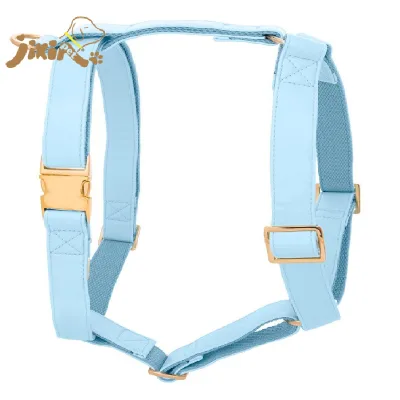
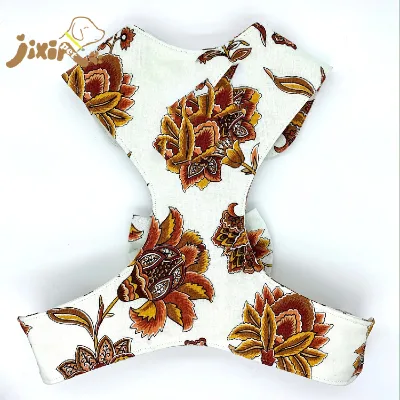


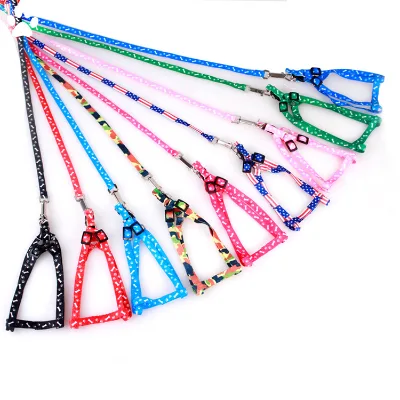
New Design Colorful Leash Dog Harness Vest,Dog Harness Adjustable,Dog Harness
$0.50 - $3.00
MOQ: 500 Minimum


Comprehensive Sourcing Guide
Embroidered Bowknot Dog Harness Sourcing Guide
Sourcing embroidered bowknot dog harnesses requires a nuanced understanding of the intersection between aesthetic customization and functional pet safety. These products are typically categorized under casual-style pet apparel or accessories, where visual appeal plays a significant role in purchasing decisions alongside durability and fit. Buyers must recognize that while the "bowknot" element suggests a decorative focus, the underlying structure must still meet rigorous standards for strength and comfort, especially if the harness is intended for active use. The presence of embroidery introduces specific manufacturing complexities, such as thread tension control and fabric stability, which can impact both the final product's longevity and the supplier's ability to maintain consistent quality across large orders.
The market for these items is diverse, ranging from lightweight, decorative vests for small breeds to more robust, padded harnesses designed for training or daily walks. Suppliers often offer a wide array of color options, including black, red, blue, pink, purple, green, yellow, and orange, allowing for extensive branding or seasonal collection development. However, the core keyword implies a specific aesthetic that must be balanced with practical features like waterproofing, cold-proofing, or reflective elements, depending on the target season and usage. Buyers should approach this category with a clear definition of whether the primary value proposition is fashion-forward design or functional performance, as this distinction will dictate the material selection and technical verification steps required during the sourcing process.
Product Scope and Observed Listing Signals
The observed product landscape for dog harnesses and related apparel reveals a broad spectrum of materials and functional attributes. Common materials include polyester, nylon, and Oxford fabric, each offering distinct advantages in terms of durability, weight, and water resistance. For instance, polyester and nylon options are frequently associated with waterproof and cold-proof functionalities, making them suitable for winter or all-weather use. In contrast, cotton-based products may be marketed as non-waterproof and are often positioned for indoor or mild-weather applications, emphasizing comfort and breathability over weather protection. Buyers must carefully review the material specifications for each potential supplier, as the choice of fabric directly influences the product's suitability for specific climates and usage scenarios.
Functional attributes vary significantly across listings, with some products emphasizing "no pull" or "choke-free" designs for training purposes, while others focus on aesthetic features like reflective strips or soft padding. The observed data indicates that customization is widely available, allowing buyers to tailor colors, sizes, and potentially embroidery designs to their brand identity. Sizes typically range from small (S) to extra-large (XL), with some products offering adjustable fits to accommodate different body types. Additionally, features such as "super comfortable" handles, durable construction, and easy wear mechanisms are common selling points. Buyers should verify these claims against their specific customer needs, ensuring that the selected harness aligns with the intended application, whether it be casual walking, home training, or outdoor adventures.
Technical Specifications to Verify
When evaluating technical specifications, buyers must prioritize the structural integrity and fit of the harness, particularly given the decorative nature of the embroidered bowknot. The presence of embroidery can add weight and potential points of failure if not executed with high-quality thread and secure stitching techniques. It is essential to verify the thread type and density, as loose or low-quality embroidery can unravel or cause irritation to the pet. Additionally, the attachment points for leashes and clips must be robust, often reinforced with metal or heavy-duty plastic hardware, to ensure they can withstand the pulling force of the dog. Buyers should request detailed technical drawings or samples to assess the placement of the bowknot and its impact on the harness's overall balance and comfort.
Size and fit are critical technical parameters that require precise verification, as ill-fitting harnesses can lead to discomfort or safety hazards. The observed size ranges include S, M, L, and XL, with some products offering adjustable features to fine-tune the fit. Buyers should establish clear measurement guidelines for each size, including chest girth, neck circumference, and back length, to ensure accurate sizing for their target market. Furthermore, the weight of the product is an important consideration, especially for smaller breeds, as heavy harnesses can cause strain. The observed data mentions medium weight options, but buyers should confirm the exact weight specifications for each size and material combination to ensure they meet their product requirements.
Compliance and Safety Documentation
Compliance and safety are paramount when sourcing pet products, as they directly impact consumer trust and legal liability. Buyers must ensure that all materials used in the harness, including fabrics, threads, and hardware, are free from harmful substances such as lead, phthalates, or other toxic chemicals. While specific certifications like ISO were observed in the data, buyers should verify the scope and validity of these certifications, ensuring they cover the relevant safety standards for pet accessories. Additionally, compliance with regional regulations, such as CE or REACH in Europe, or other local safety standards, may be required depending on the target market. Buyers should request test reports from accredited laboratories to confirm that the products meet these safety requirements.
Beyond material safety, the design of the harness must prioritize the physical well-being of the pet. This includes ensuring that there are no sharp edges, loose parts, or small components that could be chewed off and swallowed. The "no pull" or "choke-free" features observed in some listings should be verified for their effectiveness in preventing injury during sudden movements or pulling. Buyers should also consider the durability of the product under normal use conditions, as premature failure could lead to the pet escaping or getting injured. Requesting samples for rigorous testing, including pull tests and wear simulations, is a crucial step in validating the safety and quality of the harness before placing a large order.
Cost Drivers and Commercial Terms
The cost of embroidered bowknot dog harnesses is influenced by several key factors, including material selection, customization complexity, and order volume. High-quality materials such as waterproof nylon or padded Oxford fabric will naturally command a higher price than basic polyester or cotton options. The embroidery process adds significant cost, particularly if it involves intricate designs, multiple colors, or high thread counts. Buyers should negotiate clear pricing structures that account for these variables, ensuring that any additional costs for customization are transparent and justified. Additionally, the MOQ (Minimum Order Quantity) can impact the unit price, with larger orders typically benefiting from economies of scale.
Commercial terms such as payment methods, lead times, and shipping arrangements also play a crucial role in the overall cost and risk management of the procurement process. Buyers should establish clear agreements on payment terms, such as deposits and balance payments upon shipment, to mitigate financial risk. Lead times can vary significantly based on the complexity of the order and the supplier's production capacity, so it is essential to confirm realistic timelines before finalizing the purchase. Shipping costs and logistics should also be carefully planned, considering factors such as packaging dimensions, weight, and destination. The observed packing standard of carton packing suggests a need for efficient logistics planning to minimize damage and shipping costs.
Supplier Qualification and Quality Control
Supplier qualification is a critical step in ensuring the reliability and consistency of the sourced products. Buyers should conduct thorough due diligence on potential suppliers, verifying their business licenses, production capabilities, and past performance. This includes assessing their quality control processes, from raw material inspection to final product testing. Suppliers with a proven track record in producing pet accessories, particularly those with experience in embroidery and customization, are preferable. Buyers should also evaluate the supplier's responsiveness and communication skills, as these factors are essential for resolving issues and maintaining a smooth procurement process.
Quality control measures should be implemented throughout the production process to ensure that the final products meet the agreed-upon specifications. This includes pre-production sample approval, in-line inspections during manufacturing, and final random inspections before shipment. Buyers should define clear quality standards for embroidery, stitching, material quality, and overall construction, and communicate these standards to the supplier. Additionally, implementing a robust sampling process allows buyers to test the product's fit, comfort, and durability before committing to a large order. By establishing a strong quality control framework, buyers can minimize the risk of receiving defective products and ensure customer satisfaction.
Long-Term Procurement Checks
Long-term procurement success depends on continuous monitoring and evaluation of supplier performance and product quality. Buyers should establish key performance indicators (KPIs) to track metrics such as on-time delivery, defect rates, and customer feedback. Regular reviews of these metrics can help identify potential issues early and allow for corrective actions to be taken. Additionally, maintaining open communication with suppliers and fostering a collaborative relationship can lead to continuous improvement and innovation in product design and quality. Buyers should also stay informed about market trends and consumer preferences, adapting their sourcing strategies accordingly to remain competitive.
As the product line evolves, buyers should periodically reassess their supplier base to ensure they are working with the most capable and reliable partners. This may involve on-site audits, performance reviews, or exploring new suppliers with advanced capabilities. Furthermore, buyers should consider the sustainability and ethical aspects of their sourcing practices, such as the use of eco-friendly materials or fair labor practices, which are increasingly important to consumers. By adopting a proactive and strategic approach to long-term procurement, buyers can build a resilient supply chain that supports the growth and success of their business.
FAQs
What materials are used for the dog harness?
The harness is constructed from durable materials including polyester, nylon, and cotton. Some variants feature Oxford fabric for added strength. These materials ensure the product remains sturdy while providing comfort for the dog during various activities.
Can the harness be customized for specific needs?
Yes, customization is available for this product line. Buyers can request specific styles or features to meet unique requirements. The product supports custom orders, allowing for tailored solutions that align with specific branding or functional needs.
Which sizes are available for the dog coat?
The product comes in standard sizes including S, M, L, and XL. Some models offer adjustable sizing to ensure a better fit. This range accommodates various dog breeds and ensures the garment fits comfortably without restricting movement.
How does the harness perform in cold weather?
The harness is designed to be coldproof and suitable for winter conditions. It provides protection against low temperatures while maintaining durability. This makes it an ideal choice for keeping dogs warm and safe during colder seasons.
What certifications does the product hold?
The product holds ISO certification, indicating adherence to quality management standards. This ensures that the manufacturing process meets specific international requirements. Buyers can rely on this certification for consistent quality and safety in the final product.
What is the typical packaging method for orders?
Orders are typically packed in cartons for safe transport. This packaging method protects the items during shipping and storage. The carton packing ensures that the harness arrives in pristine condition, ready for immediate use or retail display.
Can the harness be used for training purposes?
Yes, the harness is suitable for home training and general usage. It features designs that support training activities without causing discomfort. The product is versatile enough to handle both daily walks and structured training sessions effectively.
What colors are available for the dog vest?
The vest is available in multiple colors including black, red, blue, pink, purple, green, yellow, and orange. Some specific models may offer colored options or combinations. This variety allows buyers to select colors that match their preferences or brand identity.